

Bhuj, Kutch · Kilometre 0
5:45 am.
Bhuj is still asleep.
Run ten kilometres with us, through the salt, the rock and the history of this city. Scroll to run.
Km 1
Rise a little.
Above the road the town falls away, and you start to see where you are.
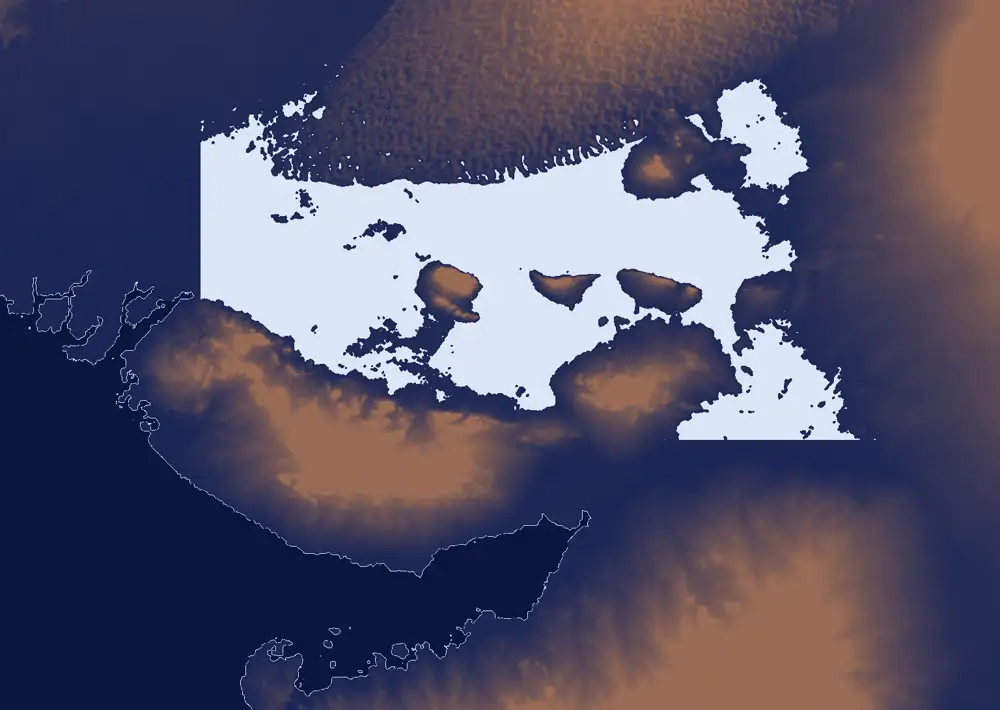
An island of land.
Sea to the south and west. Salt to the north. Kutch is India's largest district, and from up here it is almost an island.
The name is linked to the Sanskrit word for tortoise, and to land that is wet one season and dry the next. The outline is said to look like one. Look for it.
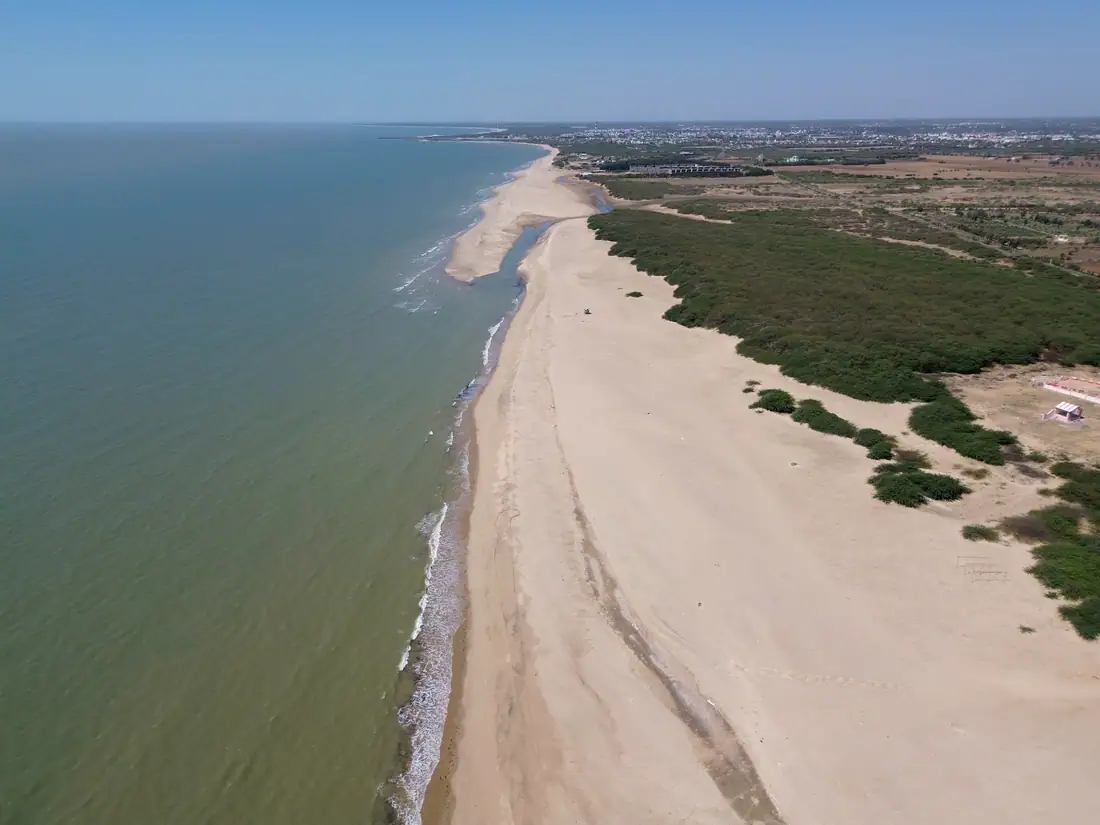
The south edge is sea and long empty sand, here near Mandvi.
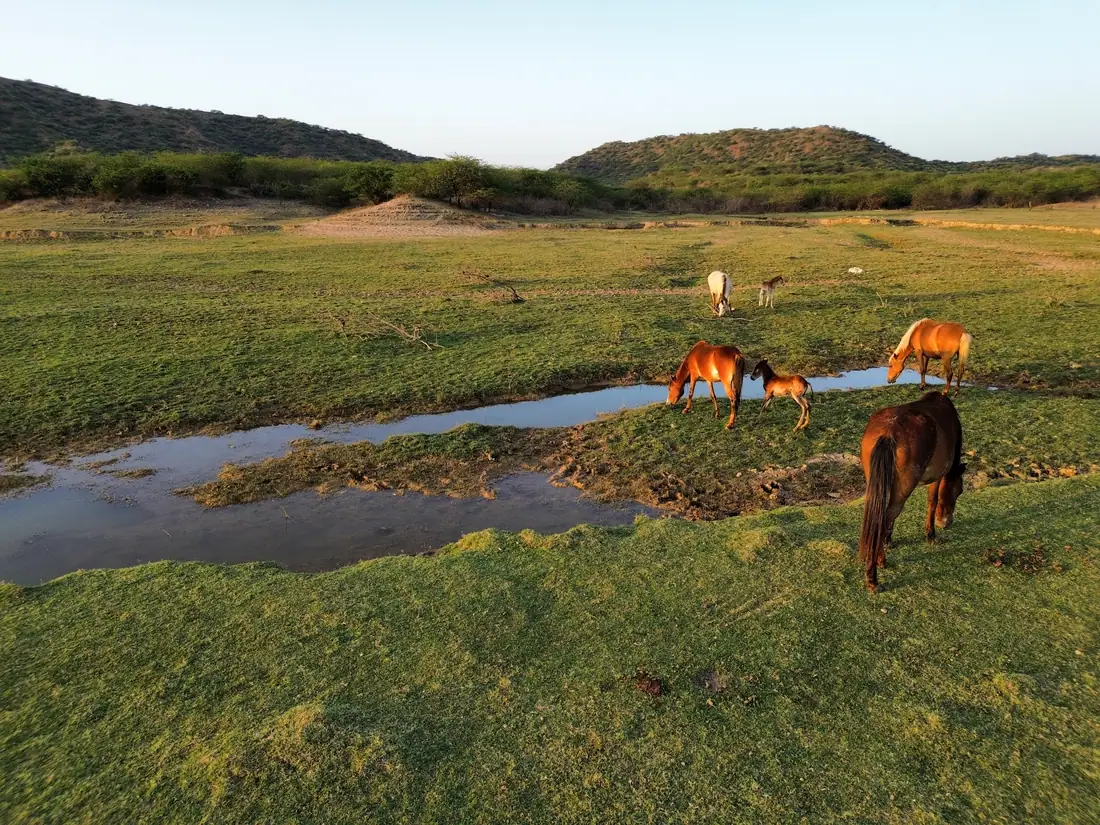
And there is green here too. Horses graze on wet ground a few kilometres from Bhuj.
Km 2
Salt.
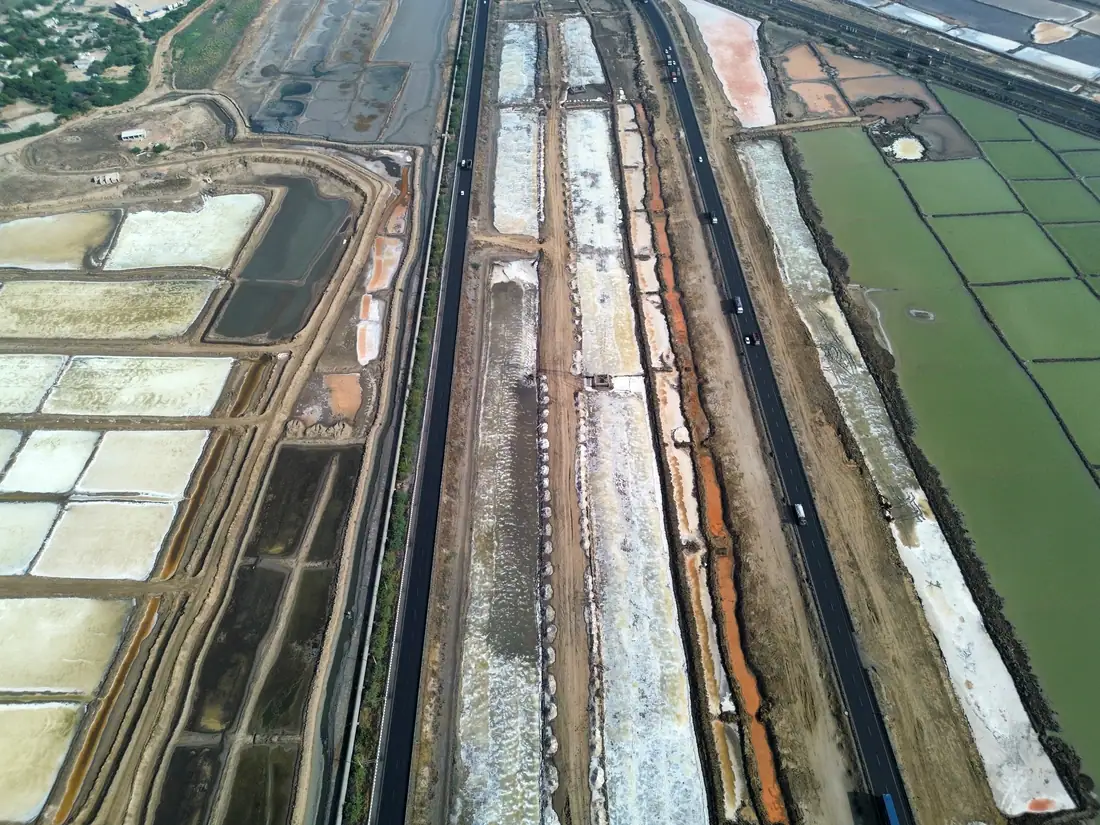
It is the first thing this land taught us. Follow the road.
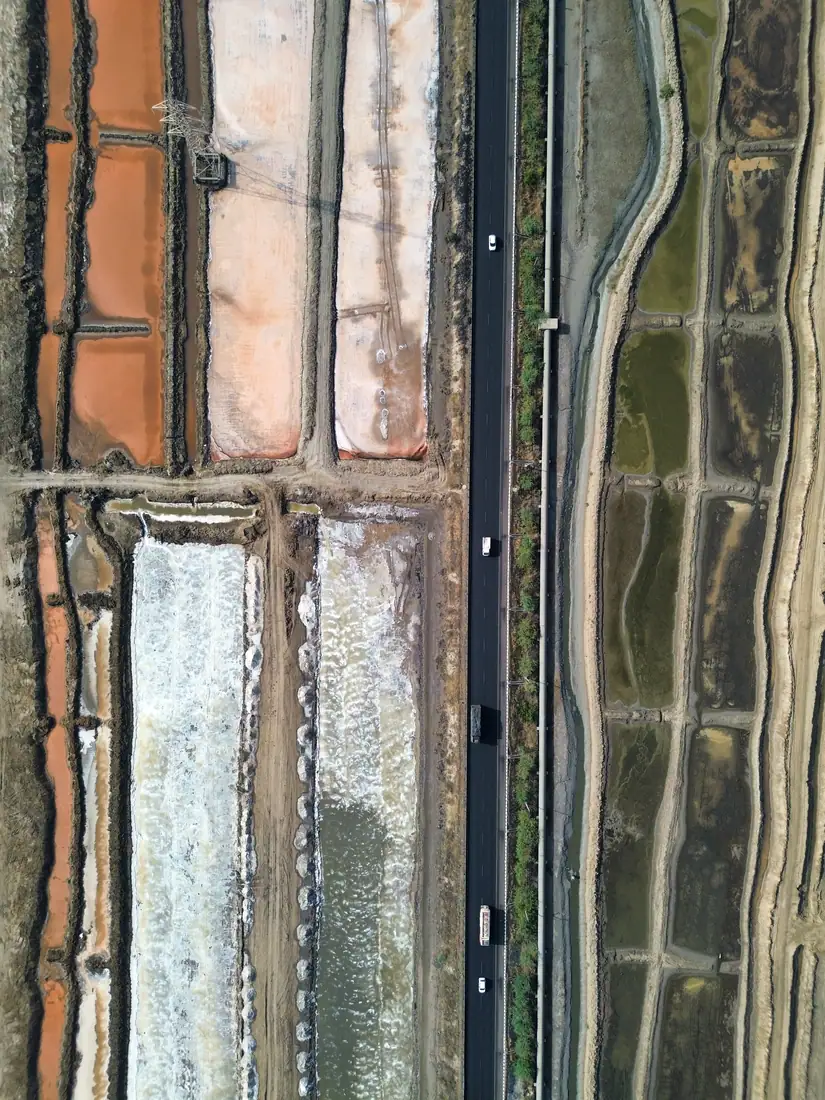
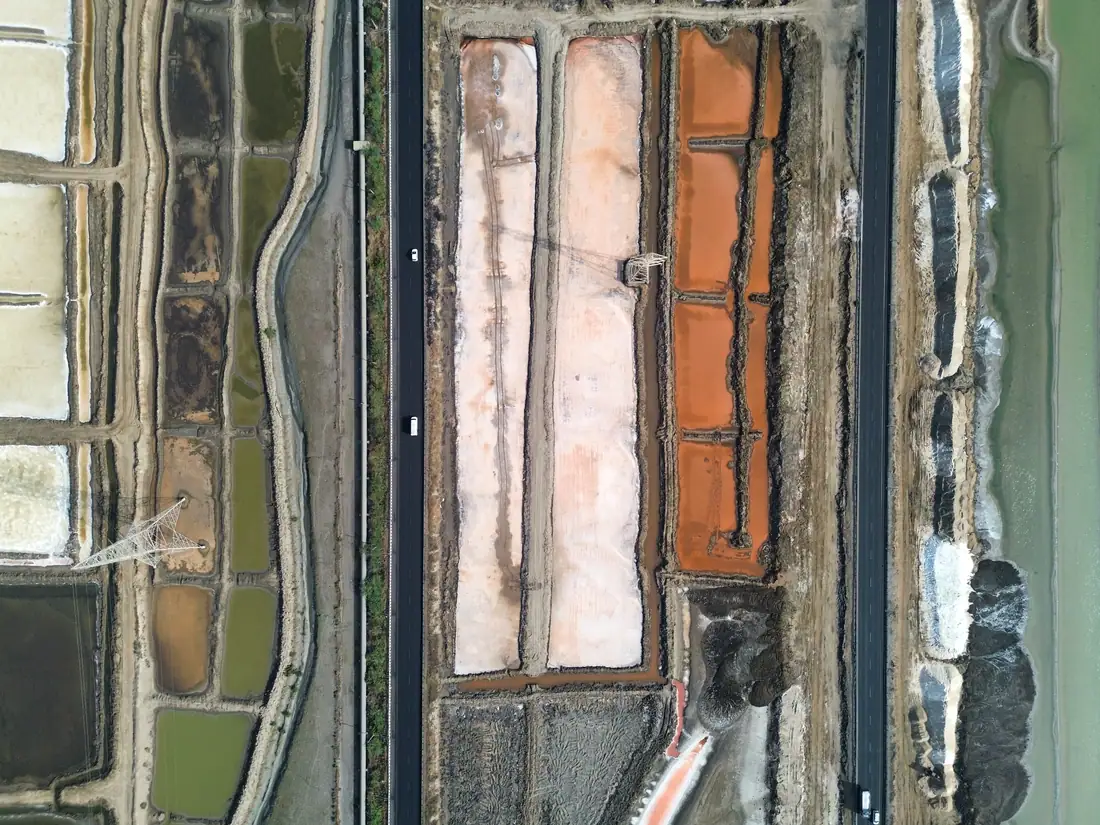
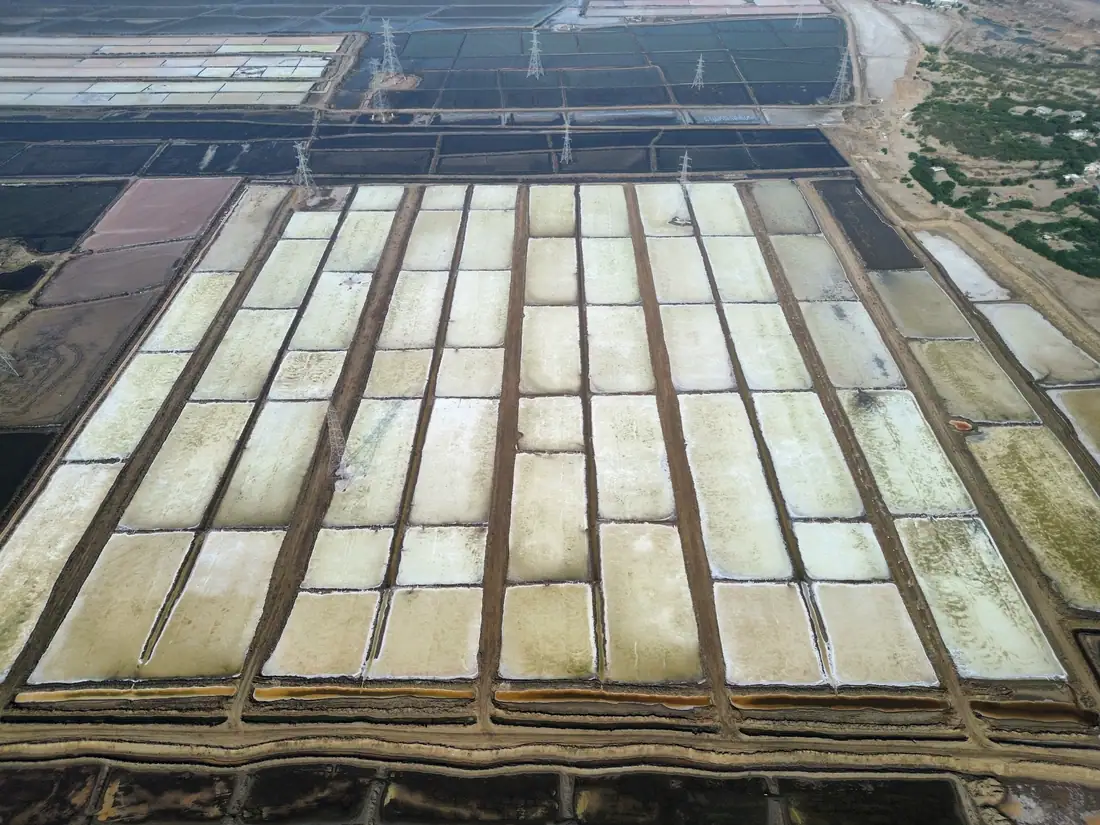
At Surajbari the sea is let in, held in pans and left to the sun. The colours change as the brine thickens: green, then pink and rust, then white.
That salt is made by people. Further north, nobody makes it.
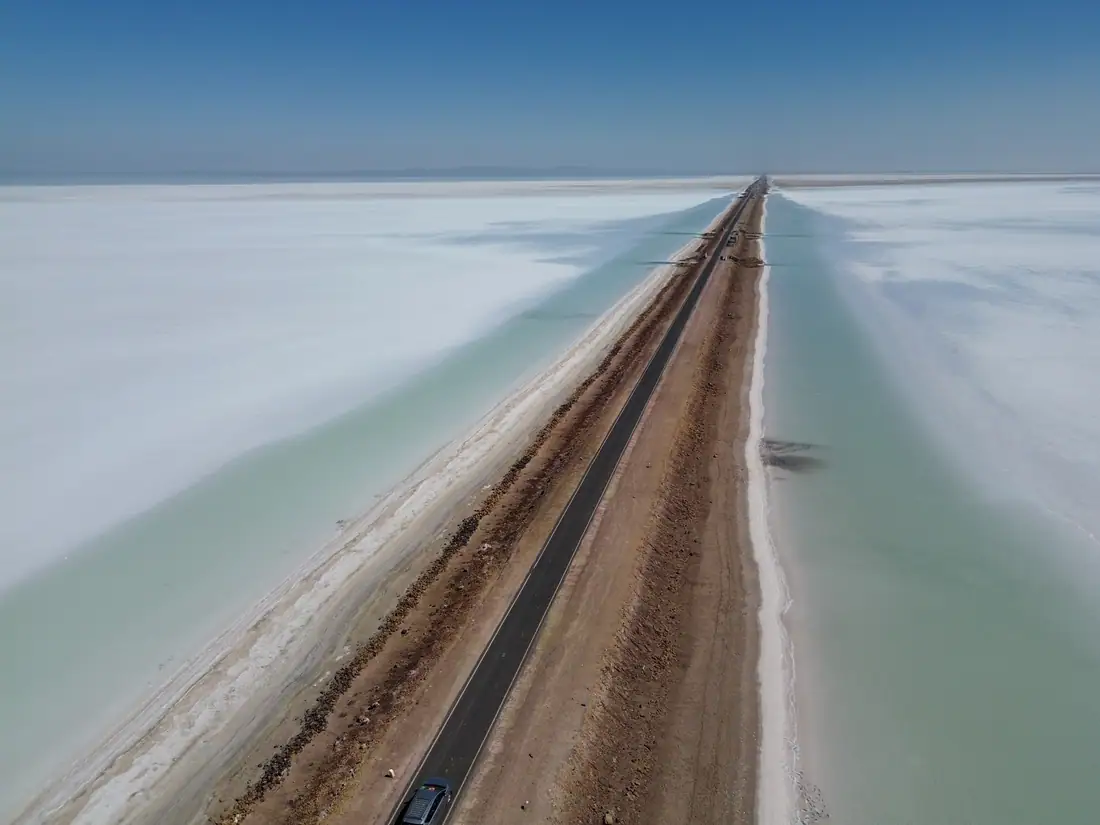
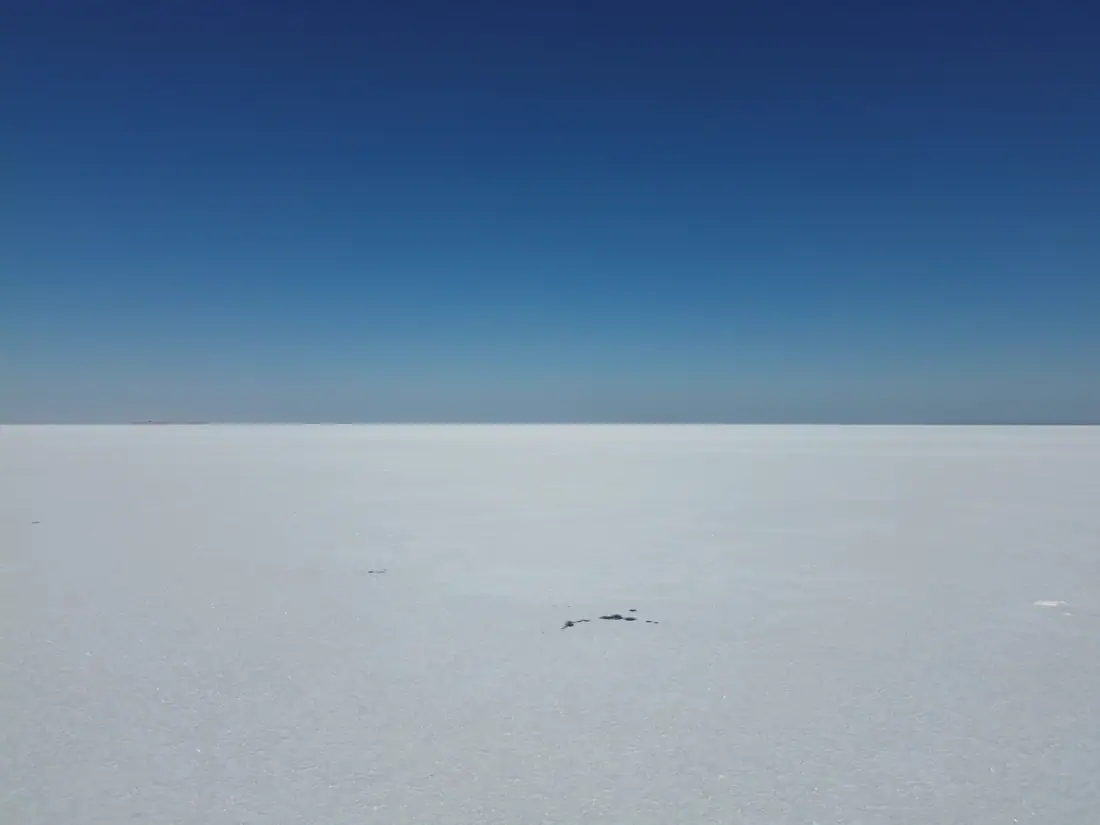
The Road to Heaven.
Every monsoon the Great Rann fills with water, and every winter it dries back to white. One straight road crosses it, towards Dholavira.
Run it at sunset and there is nothing on either side of you but light.
Km 3
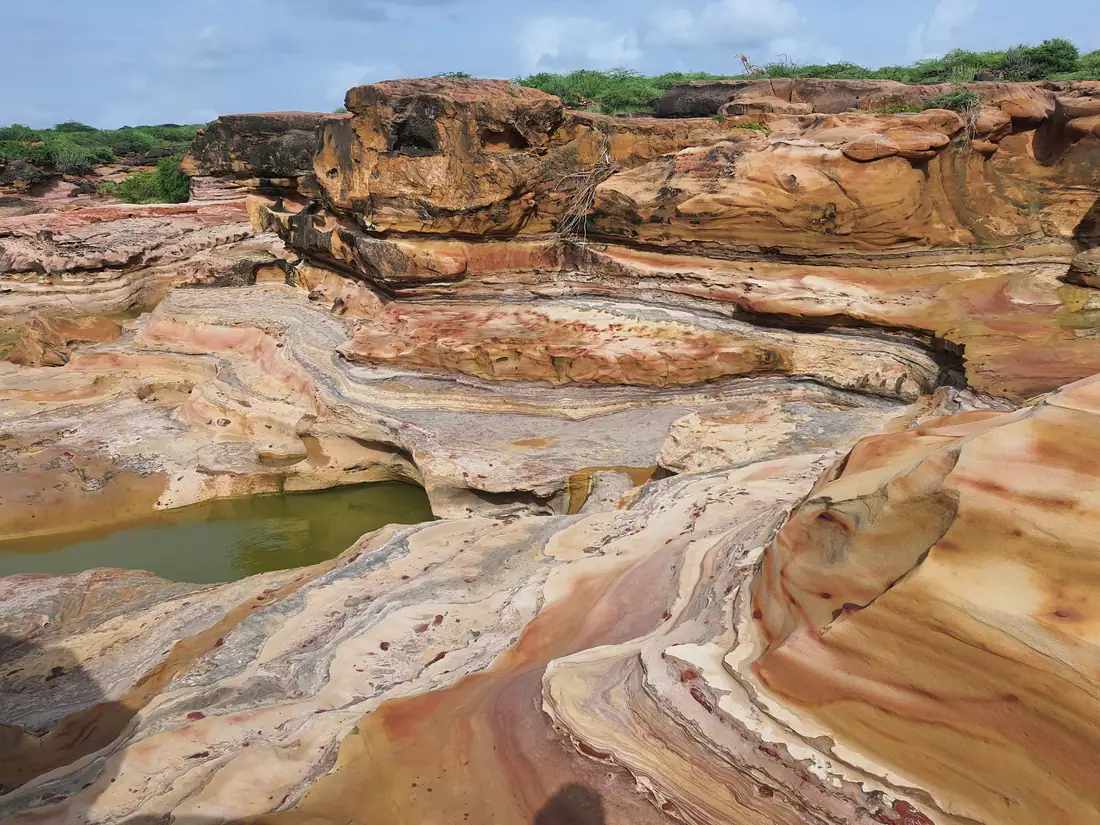
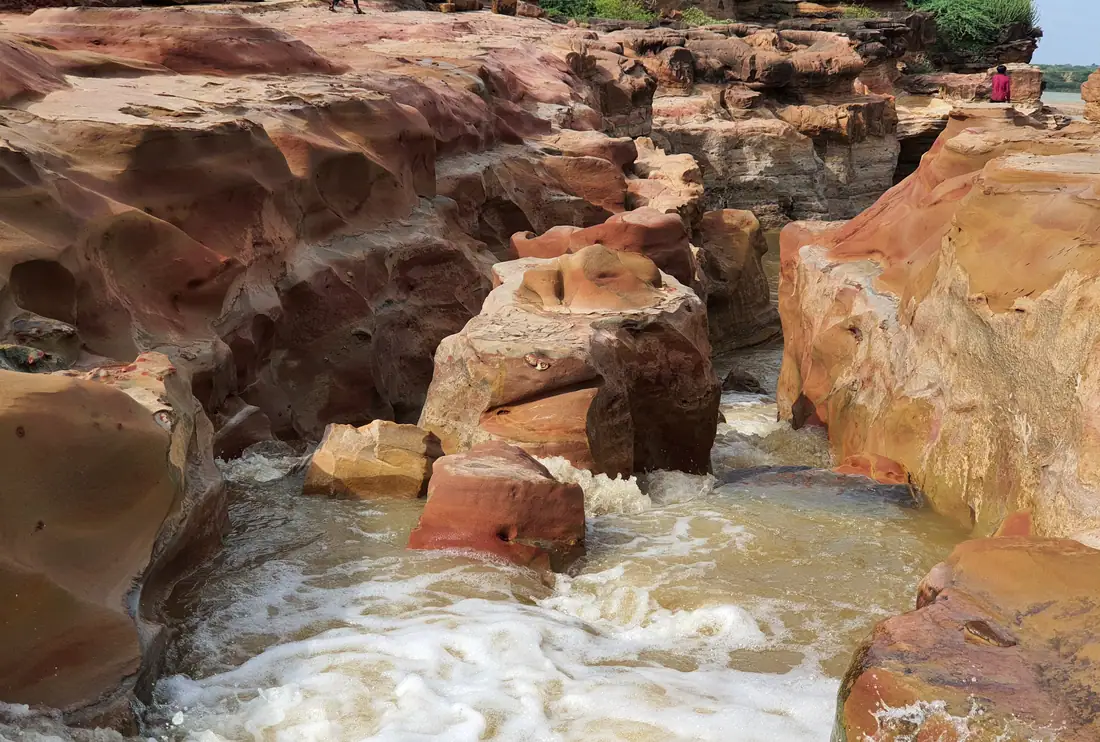
Kadiya Dhro.
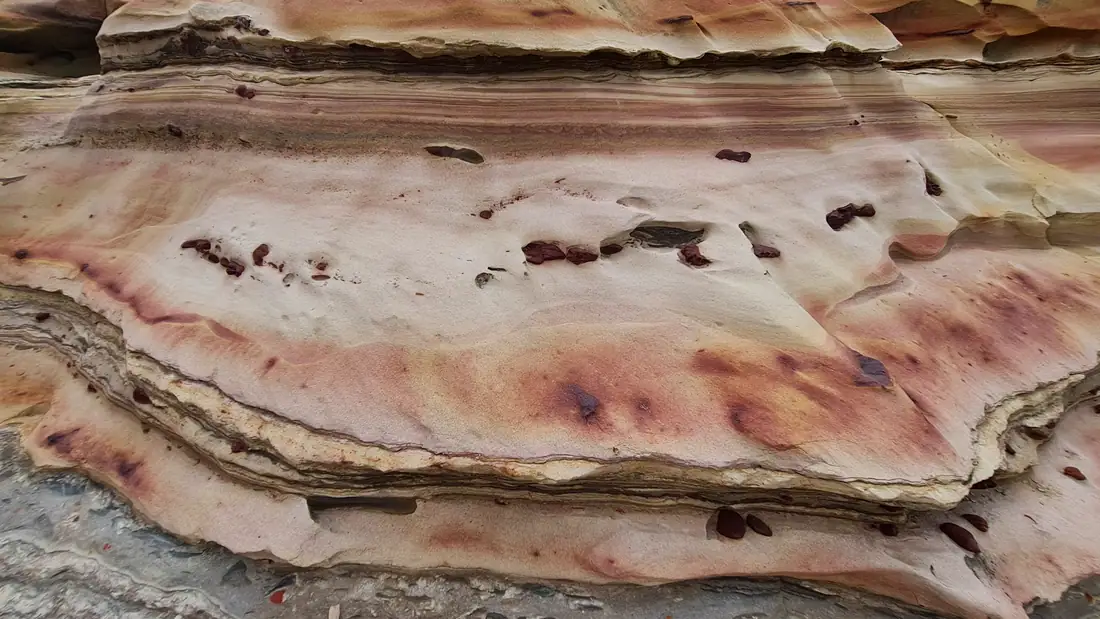
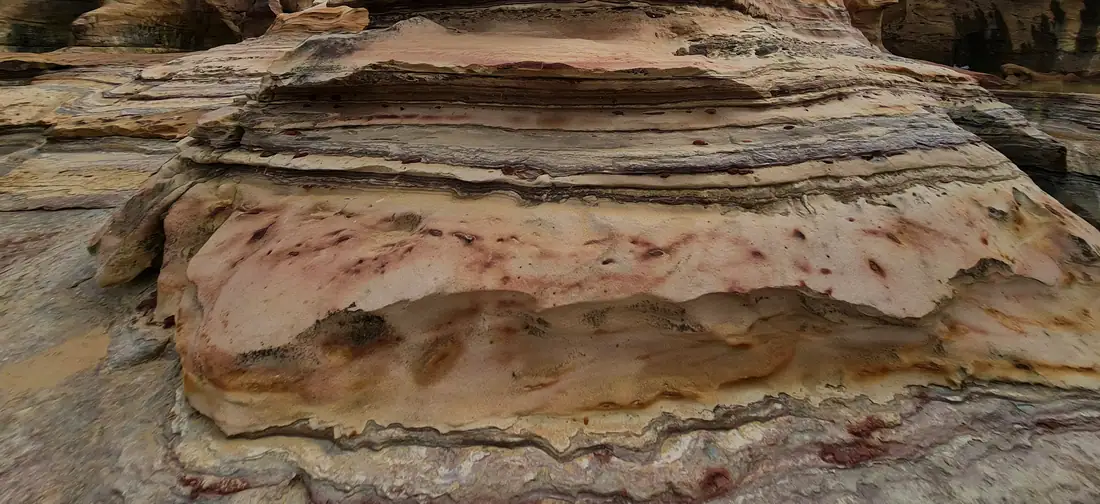
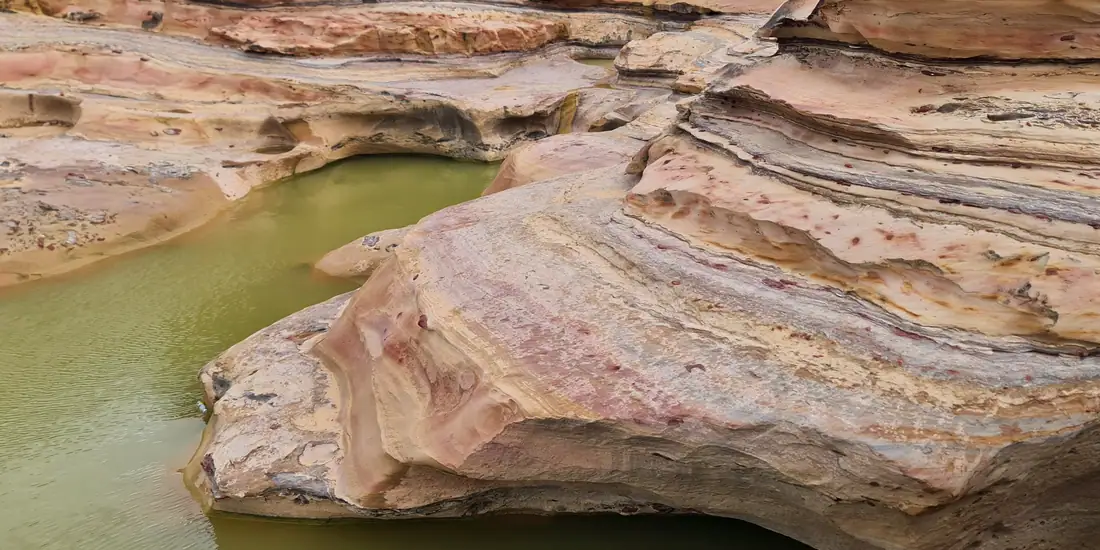
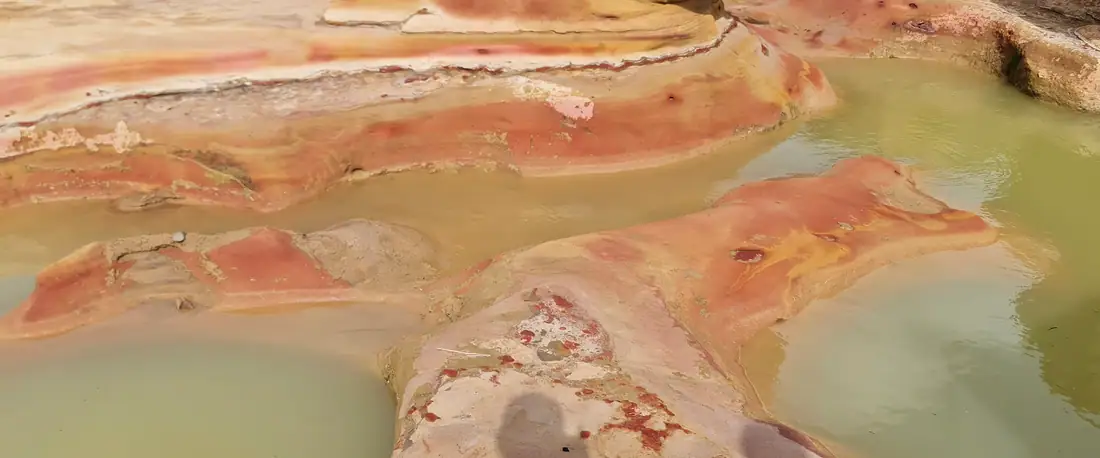
Some thirty kilometres from Bhuj, near Nirona, a river has cut down through layered rock.
In the monsoon it runs brown and loud. For most of the year it hardly runs at all.
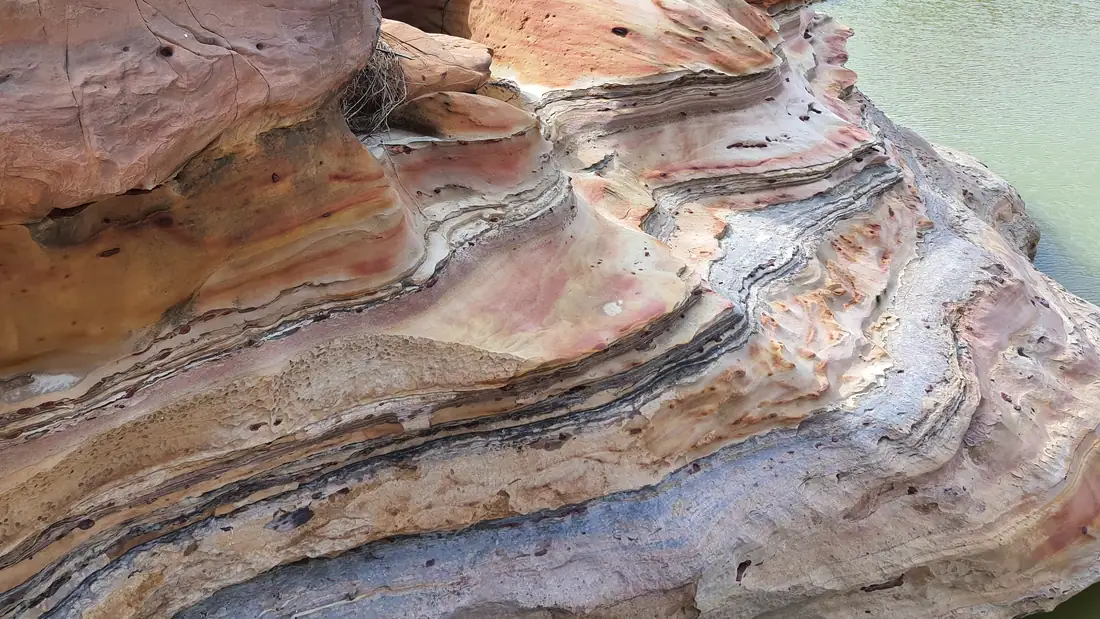
Scroll down through time.
Every stripe was once loose sand and mud. Layer on layer, and the deeper you go, the older it gets.
Much of the old rock of mainland Kutch is sandstone that geologists call the Bhuj Formation, over 100 million years old. The ground under this city carries its name.
And it is not finished.
Kutch sits on faults that still move. On 16 June 1819 an earthquake raised a ridge about 80 km long across the Rann. People named it Allah Bund, God's dam.
Km 4
Dholavira.
Long before Bhuj, people here were solving the one problem that never leaves Kutch: water.
On Khadir island in the Rann stands a Harappan city, more than four thousand years old. It stored the little rain it got in a chain of reservoirs. UNESCO made it a World Heritage Site in 2021.
Simplified drawing, not a survey plan.
Km 5
A hill, a snake, a city.
These are the real contours of Bhuj. The city takes its name from Bhujiyo hill, where legend places Bhujang Nag, the snake deity.
1510
Rao Hamir settles here.
1549
His son, Rao Khengarji I, makes Bhuj the capital of Kutch.
Khengarji enlarges a small pond and names it for his father. Canals bring rain water in from the hills, and the lake keeps the city alive for centuries.
Hamirsar. It is where we start every Saturday.
Km 6
Kutch looked out to sea.
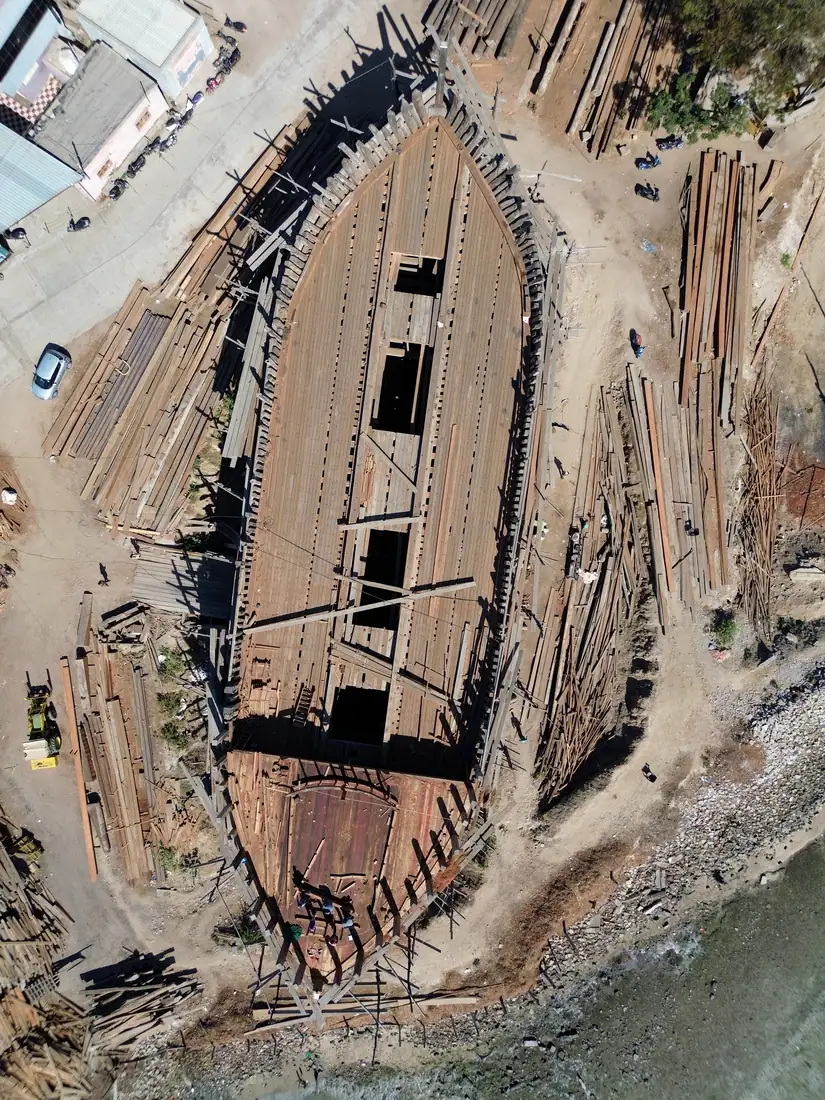
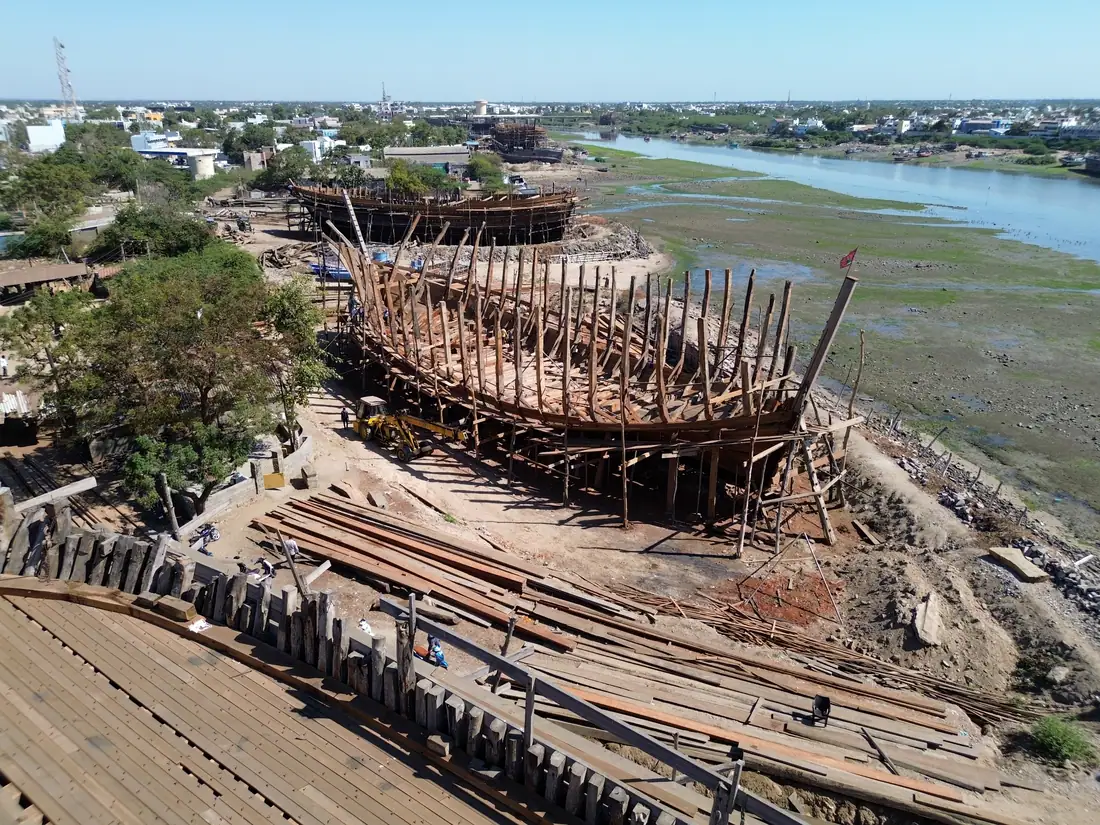
At Mandvi, wooden ships the size of houses are still built by hand on the river bank.
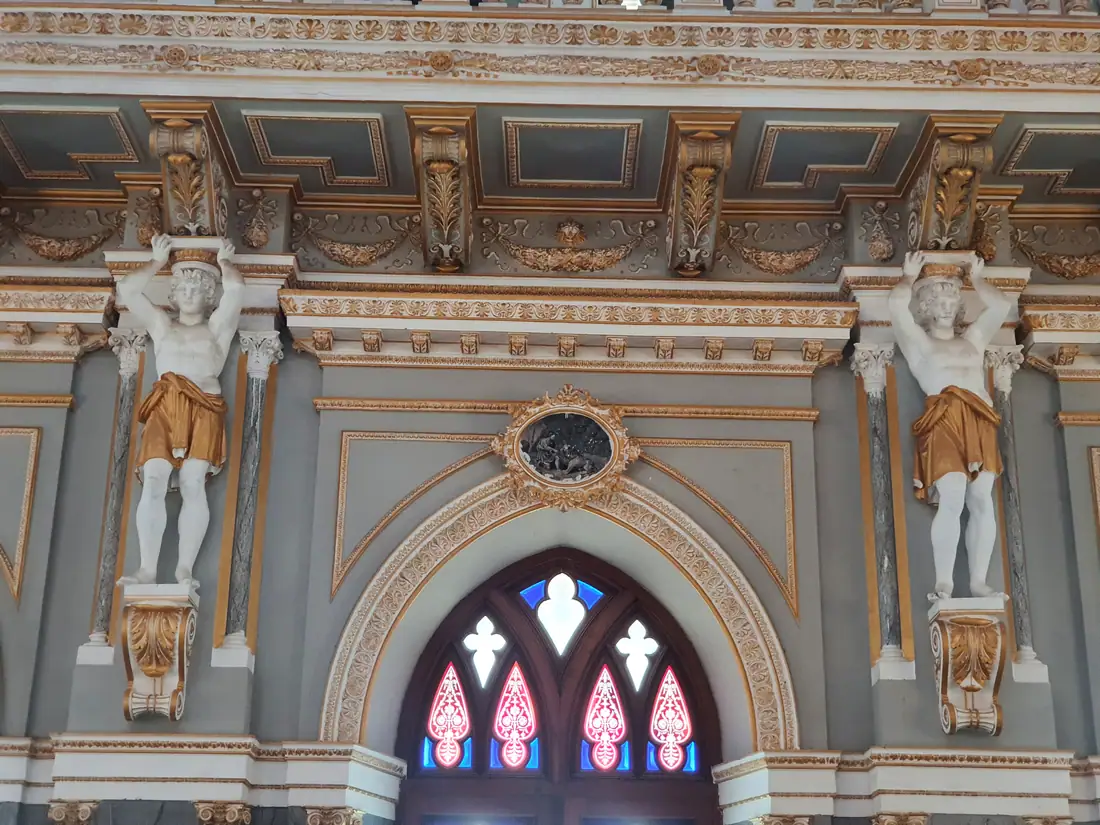
The story goes that a Kutchi sailor, Ramsinh Malam, was shipwrecked, picked up by a Dutch ship, and spent years in Europe learning glass, tile and clock work.
He came home to build the Aina Mahal, the Hall of Mirrors, for Rao Lakhpatji in the 1750s.
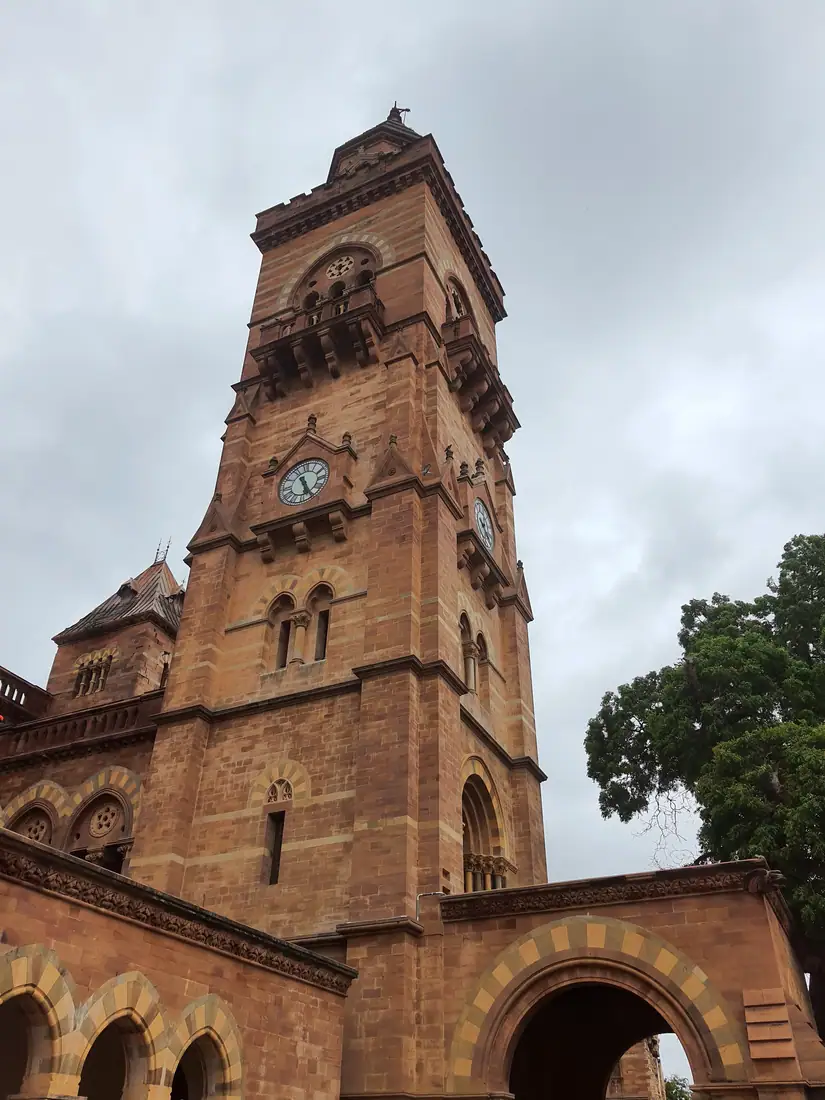
A century later came Prag Mahal, begun in 1865 to a design by Col. Henry St Clair Wilkins. Gothic stone in the middle of Kutch.
The whole world came ashore here, and stayed.
Km 7
The runway.
December 1971. War. The airstrip at Bhuj is bombed again and again, and there are not enough hands to repair it.
The women of Madhapar village come out, about 300 of them, and carry earth and stone under the threat of more raids. Within days the strip is flying again. Madhapar's memorial to them is called Virangana Smarak.
26 January 2001.
8:46 in the morning.
It was Republic Day.
About 20,000 people died in the earthquake. About 18,400 of them were in Kutch.
Everyone in Bhuj can tell you where they were.
Km 9
Bhuj got up.
The city was rebuilt, street by street. On Bhujiyo hill, Smritivan now climbs the slope: about 470 acres, opened on 28 August 2022, remembering those who were lost.
Its seven blocks are named for what came after.
Rebirth. Rediscover. Restore. Rebuild. Rethink. Relive. Renew.
Km 10 · Finish
You just ran through Bhuj.
Now do it outside.
Dr. Alap Antani founded Bhuj Runners in July 2018. It is the long-distance running club of Kutch, and it runs at dawn.

Saturday, 5:45 am,
Hamirsar Lake.
First-timers welcome. All paces. Your first run